
Algonquin Provincial Park
Historic canoe routes, whispering white pines, morning mist rising off mirror lakes, and the haunting evening call of the common loon.
One paddle stroke.
Then another.
The shoreline becomes quieter behind you.
Canada’s extraordinary network of lakes, rivers, sheltered waterways and inland coastlines creates countless opportunities to experience nature from the water rather than simply looking at it.
Paddling & Water Wellness is about that relationship. Sometimes active. Sometimes contemplative. Sometimes social. Sometimes wonderfully quiet.
From a gentle morning paddle across a lake to a guided canoe journey through a protected landscape, water changes how we move—and how we notice where we are.
Most travel happens quickly.
Cars cover kilometres. Planes cross provinces. Trails encourage us to keep walking.
A paddle does something different. Every movement creates resistance. Every stroke has a rhythm. Wind matters. Current matters. The surface beneath you is constantly changing.
Paddling can be physical, adventurous and technically demanding—but it can also be remarkably simple.
Choose the Water Before the Activity.
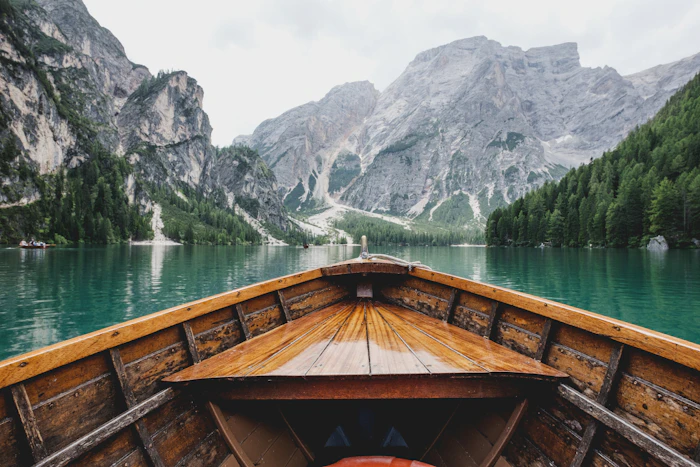
Flat mornings on Canadian lakes offer mirror-like surfaces where the water doubles the surrounding forest and peaks. Every stroke leaves an unhurried trail, making it ideal for contemplative observation.
Not Every Day on the Water Needs the Same Energy.
* Selecting your rhythm automatically highlights matching Canadian landmarks in the explorer below.
Paddling doesn't need to become a workout to become worthwhile.
Check conditions. Adjust your equipment. Let your body find the movement.
From the moment the boat clears the gravel, your mind and body calibrate to a different frequency.
Sitting or kneeling in a boat lowers your eye level to within a couple of feet of the surface. Scale shifts. The shoreline looks taller, the sky feels wider, and perspective changes almost immediately.
A repetitive, bilateral physical movement—reach, catch, pull, recover—occupies the mind without demanding complex decision-making. Thinking slows down and brainwaves steady.
Moving across water is rarely entirely silent. Instead, it is filled with subtle sound: the dip of a paddle blade, droplets falling from the tip, water parting around the bow, and birds on the margin.
Water creates natural boundaries for screens. Phones go into dry bags or pockets. The urge to check, respond and scroll recedes because the immediate environment demands presence and care.
Paddling gently activates the core, back, shoulders and arms while developing balance and posture. It is exercise that feels like exploration rather than effort.
On water, wind direction matters. Sunlight reflects differently. Cloud cover transforms the mood of the lake. Paddlers develop a closer, more immediate awareness of meteorological conditions.
Toggle between looking at the water from the trail, and looking at the world from the boat.
On the water, physical obstacles melt away. You are no longer navigating trail switchbacks or obstructed tree canopies. The water grants you unrestricted panoramas, zero ground vibrations, and a profound sense of weightless suspension between sky and mirror.
Explore by water character, geographic region, or paddle rhythm.
Historic canoe routes, whispering white pines, morning mist rising off mirror lakes, and the haunting evening call of the common loon.
A world-renowned 116-kilometer chain of wilderness lakes and rivers nestled against dramatic Cariboo peaks, offering deep restorative backcountry travel.
Famed turquoise waters fed by active glaciers, flanked by cathedral rock walls. Morning paddles here feel like floating on cold, liquid gemstone.
Over one hundred sheltered islets and ancient cedar stands in Barkley Sound. Sea otters, tidal pools, rainforest margins, and gentle swells.
A labyrinth of interconnected lake expansions, smooth granite falls, and historic Voyageur trade channels surrounded by untouched boreal wilderness.
Gentle meandering rivers, peaceful marshlands, and ancient Mi'kmaw waterways under one of the clearest designated dark-sky firmaments in North America.
Glide between granite islands fringed with pitch pines, through sheltered narrow channels and historic bays where clear water reveals sunken shoals.
A legendary northern wilderness river carving through canyons deeper than the Grand Canyon, featuring Virginia Falls and soothing natural thermal springs.
You cannot experience genuine mental calm while feeling exposed or unsafe. True water wellness starts with respect for the water, proper preparation, and zero compromises on safety gear.
A lifejacket only works when worn. Fasten all buckles securely before the hull touches water.
Canadian water remains dangerously cold long into summer. Immersion hypothermia happens fast; dress accordingly.
Breezes that push you effortlessly across a bay will fight you on the return. Head into the wind during the first half.
Tell someone responsible on land your exact route, planned launch site, and strict expected return time.
Transport Canada rules: Whistle/sound device, buoyant throw line (15m), bailer or sponge, and a waterproof light.
Stay close to shore when building confidence. Choose calm, sheltered mornings and practice self-recovery.
Each seasonal window reveals a completely distinct sensory atmosphere.
Early mornings and late evenings offer the quintessential Canadian lake experience. Glassy water, active loon calls, warm breezes, and twilight that stretches well past 9 PM. Perfect for leisurely swimming breaks, floating, and beginner introduction.
Everything you need to know about embarking on water wellness.
Not at all. Water wellness is about stillness and sensory connection rather than athletic speed or distance. Beginning on a calm, sheltered bay or small lake with a stable wide recreational kayak, canoe, or stand-up paddleboard in warm weather allows you to focus purely on posture, breath, and tranquility without technical hurdles.
Fitness paddling is metric-driven: tracking stroke rate, distance covered, split times, and cardiovascular intensity. Water wellness shifts the orientation entirely to sensory immersion: noticing reflections, listening to paddle drips, synchronizing movement with steady breathing, drifting silently, and allowing the mind to detach from time pressures.
Yes, wonderfully so. A SUP provides an elevated standing vantage point directly over clear water, allowing you to see fish, aquatic plants, and sunken geology that seated paddlers miss. The subtle constant engagement of micro-stabilizer muscles in the ankles and feet fosters deep somatic awareness and mindful balance.
Choose quick-drying synthetic or merino wool layers that stay warm even if damp. Avoid heavy cotton denim or heavy cotton hoodies, which absorb water and stay cold. Bring a wind-resistant shell jacket, polarized sunglasses with a retention strap (which cut water glare and let you see underwater life), a wide-brim hat, and secure water footwear (neoprene booties or strap sandals).
Look for small municipal conservation lakes, provincial park reservoir bays, or designated non-motorized heritage waterways. Apps like GoPaddling or regional provincial park water trail maps denote boat launches with gentle slope gravel access, rental liveries, and wind-sheltered inlets where motorized boat wakes are prohibited.
One paddle stroke at a time, water restores our relationship with nature, breath, and unhurried time.