
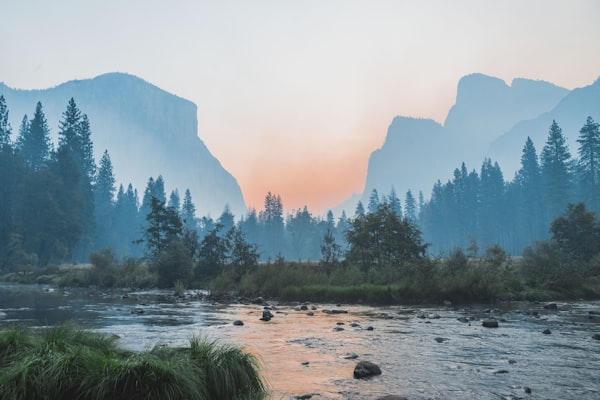
There is something different about being above the treeline. The air feels sharper. The horizon opens. Forest gives way to rock, meadow, snow and sky. Movement becomes deliberate, weather becomes impossible to ignore, and everyday distractions seem considerably farther away.
This isn't wellness contained within four walls. It's wellness with a horizon.
Alpine wellness doesn't have one rigid definition. It is the relationship between mindfulness and mountain place.
A quiet morning beside a crystal glacial lake watching early morning mist lift off freezing blue waters.
A restorative unhurried walk through subalpine heather, paintbrushes, and blooming glacier lilies.
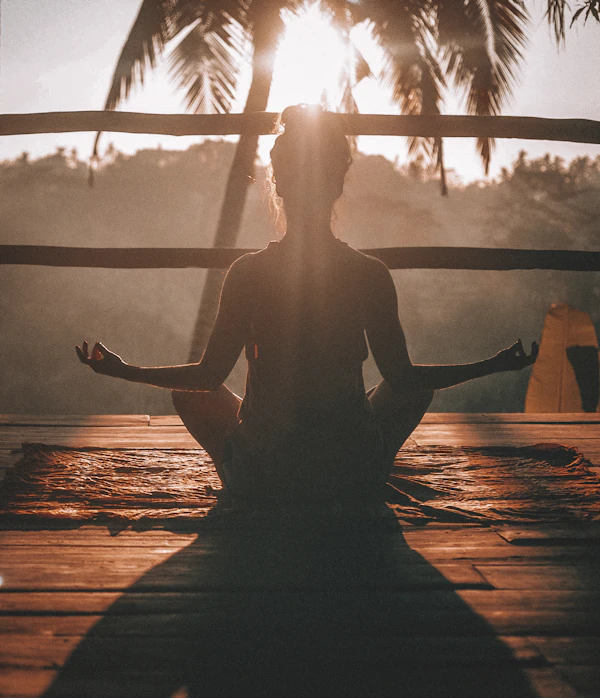
Breathwork and mindful stretching overlooking endless mountain horizons from high wooden decks.
High-elevation awe made immediately accessible without requiring an exhausting physical scramble.
Instead of standard service cards, explore our interactive mountain silhouette. Select a peak zone below to reveal its specific mode of restoration.
Choose a direction to align with what you need most from the mountains today.
Travel through the mountain in distinct ecological layers. Notice how physical sensations and climate transform with each gradient.
Valleys provide the comfortable base for an alpine wellness trip, combining restorative accommodation and nourishing amenities with immediate trail access.
Mountain forests form the transition between valley and alpine environments, offering shaded woodland trails, rich pine scents, and quiet nature immersion.
Where stunted krummholz trees give way to vast high-elevation meadows. This transition zone offers some of Canada's most visually striking wildflower blooms.
Above the treeline, exposure increases and landscapes become dramatically more open. Wind carries silence, and weather changes become instantaneous.
The highest point does not need to be an aggressive goal. Alpine wellness is about experiencing the mountain—not defeating it.
Select one element from each phase of the mountain day to compose your personal contemplative day plan.
Canada's mountain environments are not interchangeable. Each range speaks with its own geological cadence, weather systems, and opportunities for wellness.
Glacial turquoise lakes, towering limestone battlements, extensive high-pass trail systems, iconic mountain towns, and historic lodges make the Rockies Canada's most celebrated alpine sanctuary.
Encompassing the Purcells, Selkirks, and Monashees. Deep valleys, ancient inland rainforests, and rugged crags host vibrant mountain communities tuned to contemplation and outdoor energy.
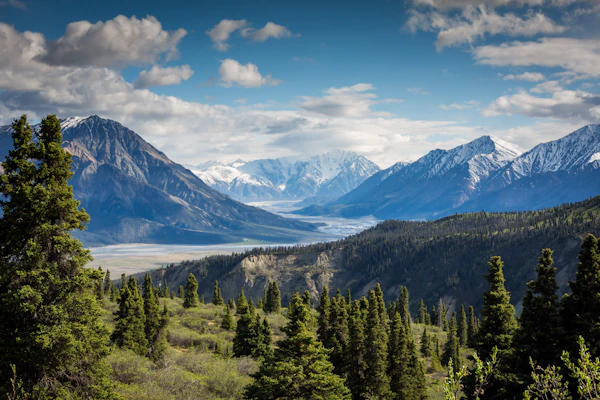
Where sheer granite cliffs meet the humid influence of the Pacific. Dramatic elevation changes, massive icefields, cascading fjords, and alpine meadows sit just hours from ocean shores.
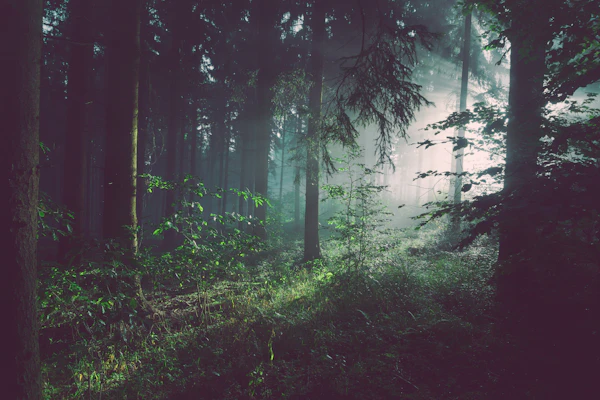
Ancient rounded Precambrian peaks, shimmering freshwater lakes, vibrant mixed hardwood canopies, and Scandinavian spas offer a softer, sensorial interpretation of mountain recovery.
Eastern Canada's highland plateaus combine dramatic maritime winds, sheer tablelands, and elevated hiking trails that look down upon boreal forests and the Atlantic ocean.
Immense landscapes, 24-hour midnight summer sun, vast subarctic tundra, and monumental icefields give northern alpine travel an unmatched scale of restorative stillness.
Begin with the emotional state you are seeking. Let your mood guide the destination.
Where the landscape does part of the work. Discover curated starting points for high-elevation mindfulness and active restoration.
High elevations experience dramatic seasonal shifts. Each window brings a completely different sensory palette, pacing, and restorative opportunity.
Summer in the Canadian alpine is fleeting and intensely vibrant. Snowfields recede to expose lush subalpine meadows bursting with alpine paintbrushes, glacier lilies, and mountain avens.
With twilight stretching until 10 PM in the west and 24-hour midnight sun in the north, days feel spacious. Morning warmth gives way to refreshingly crisp mountain evenings, perfect for deep restorative rest.
September and early October represent the most atmospheric time in the Canadian mountains. In the west, high-elevation alpine larches turn fiery gold before shedding their needles.
In Québec and the Appalachian highlands, sugar maple canopies blaze with scarlet and amber. Summer crowds dissipate, leaving silent trails, crisp needle-sharp air, and warm hearthside evenings.
A winter alpine landscape operates under a blanket of acoustic dampening. Snow absorbs sound, creating an extraordinary acoustic hush that instantly calms an overstimulated mind.
The quintessential winter mountain wellness ritual is thermal contrast: moving from cold forest snowshoe trails or brisk mountain air directly into steaming mineral hot springs or Nordic sauna steam.
Spring arrives from the bottom up. While high alpine passes remain under deep snow into June, valley bottoms emerge into brilliant new lime-green growth, and glacial snowmelt fills roaring waterfalls.
This transitional season offers exceptional tranquility. Mountain resorts are peaceful, wildlife grazes in lower meadows with their newborn young, and the sound of rushing meltwater is intensely revitalizing.
True alpine wellness begins with humility. High-altitude environments are both rugged and deeply fragile.
Clear blue mornings can transform into near-freezing mountain squalls or thunderstorms by early afternoon. Always carry a waterproof shell, warm insulating layer, and check morning mountain forecasts.
Subalpine soils are paper-thin, and alpine cushion plants take decades to grow mere centimetres. Stepping off established trails causes erosion that lasts for human generations. Stay strictly on marked trails.
High altitude air is significantly drier and thinner. Drink twice as much water as at sea level, protect eyes with UV sunglasses, and give yourself time to acclimate before attempting steep elevation gains.
You are a guest in the home of grizzly bears, black bears, bighorn sheep, and hoary marmots. Travel in groups, make noise on trails, carry bear spray in an accessible holster, and maintain at least 100 metres distance.
Practical guidance for planning your high-elevation restoration journey.
Not at all. In fact, many of Canada's most powerful alpine experiences require minimal physical exertion. World-class scenic gondolas (such as the Peak 2 Peak in Whistler, the Banff Gondola, or Jasper Skytram), mountain summit parkways like Mount Revelstoke's Meadows in the Sky, and valley-floor lakeside walks allow anyone to breathe crisp mountain air, observe vast horizons, and practice mindful relaxation without rigorous ascents.
The subalpine zone is the transition corridor just beneath the treeline (typically 1,400 to 2,000 metres in southern Canada), characterized by open forest glades, stunted subalpine firs, and lush wildflower meadows. The true alpine begins above the treeline (2,000+ metres), where severe cold and winds prevent trees from growing, giving way to rock, lichen, alpine tundra, and perennial snow. Both offer deep, distinctive wellness qualities.
The peak alpine bloom is short and sweet: usually starting in mid-July and peaking in early August, depending on the previous winter's snowpack. Mount Revelstoke, Sunshine Meadows, and Manning Park boast sensational blooms of subalpine lupine, red paintbrush, alpine arnica, and glacier lilies during this window.
Subalpine larches (Larix lyallii) are rare deciduous conifers that grow exclusively at high elevations in the Rockies and Purcell ranges. Unlike evergreens, their needles turn a radiant, luminous golden-yellow in late September before dropping for the winter. Walking through a golden larch forest under crisp blue autumn skies is one of the most sublime visual meditations Canada offers.
Winter is arguably the most restorative season of all. High mountain air is pristine and clear, snow dampens acoustic noise to absolute stillness, and winter hydrotherapy—soaking in outdoor mineral hot springs while snow gently falls on your shoulders—creates profound nervous system regulation and muscle relaxation.
Essential mountain wellness packing includes: a three-layer clothing system (moisture-wicking base, insulating fleece or down, and a wind/waterproof outer shell), UV-blocking sunglasses and sunscreen (UV rays are significantly stronger at high elevations), a reusable insulated water bottle, comfortable footwear with solid traction, a small sitting pad for trailside meditations, and bear spray in parks where required.
Combine high-altitude perspectives with other Canadian sensory restorative journeys.