Pacific Rim & Tofino
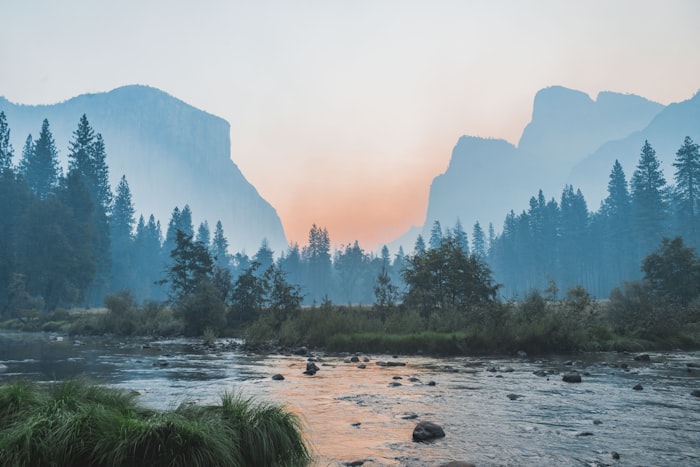
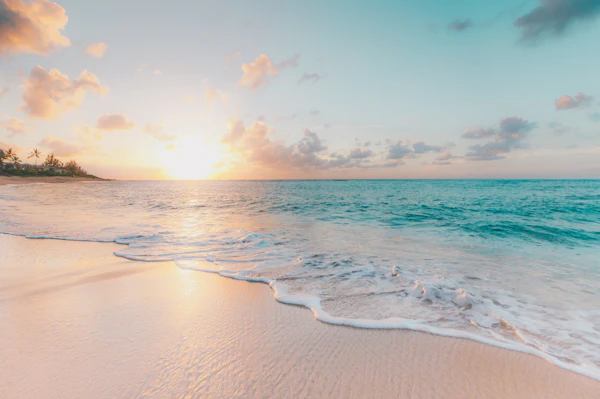
Where 800-year-old temperate cedar rainforest meets untamed open Pacific surf. Known for boundless beach expanses, tidal fog, and legendary storm-watching sanctuaries.
Let the Coast Change Your Pace.
Canada touches three oceans. Between them are thousands of kilometres of coastline shaped by Pacific rainforests, Atlantic headlands, sandy beaches, islands, fjords, estuaries and Arctic shores.
A Coastal Reset is an invitation to experience these places differently. Walk without trying to get somewhere. Sit where land meets water. Wake beside the ocean. Watch a tide transform the shoreline. Pair gentle movement with good food, deep rest and enough unscheduled time to notice the horizon.
"You don't have to escape everything. Sometimes you just need to change the rhythm."
A coastal wellness experience can be as simple as allowing your day to follow the natural tidal rhythms rather than filling every hour.
An unbroken cadence of water on shore that calms sensory overload.
Twice a day the landscape completely reshapes itself with zero human effort.
Atmospheric moisture, silver fog and marine sun reflection calibrate the eyes.
Sea salt, ozone and pine fragrance carried across headlands and wild shores.
There is no rigid itinerary for a Coastal Reset. It might mean three restorative days at an oceanfront sanctuary—or forty quiet minutes sitting beside the tide.
Instead of asking what activity you want, choose what you need to leave behind. Watch it drift into the ocean tide, and receive an intentional landscape antidote.
Click any crowded state above to drift it toward the ocean surf.
The coastline is not an obstacle course or a photo backdrop. It is an immediate recalibration of your sensory nervous system.
Waves breaking. Pebbles moving in the surf. Wind. Seabirds. Rain against a cabin window.
Find the repeating sound beneath all the others.
Create an intentional blend. Choose exactly three elements floating in the tide pool below. They will gather together to compose your personalized coastal prescription.
Canada touches three oceans across more than 243,000 kilometres of coastline. Find the shoreline rhythm that answers what you need right now.
Where 800-year-old temperate cedar rainforest meets untamed open Pacific surf. Known for boundless beach expanses, tidal fog, and legendary storm-watching sanctuaries.
Salt Spring, Galiano, and Pender islands offer sheltered Salish Sea waters, red-barked arbutus groves, artisan farm stands, and days tuned strictly to ferry whistles.
An isolated archipelago of profound ecological and cultural magnitude. Moss-draped spruce forests, deserted beaches strewn with agates, and deep stillness.
Dramatic ocean-carved highlands plunging directly into the Atlantic. Follow the skyline trail, listen to fiddle tunes in small fishing hamlets, and watch whales breach off headlands.
Gentle red sandstone bluffs, singing white sand dunes at Greenwich, and the warmest ocean waters north of the Carolinas. Unhurried coastal walks and fresh oyster shacks.
The world's highest tides—up to 16 vertical metres twice every day. Walk on the ocean floor among towering flowerpot sea stacks, then kayak the same spots six hours later.
Raw granite cliffs, spring iceberg alleys, puffin colonies on wave-lashed stacks, and the Tablelands where Earth's mantle meets the sky. Uncompromising maritime grandeur.
Where the mighty St. Lawrence opens into the Gulf. Soaring coastal limestone arches, Bonaventure Island gannet sanctuaries, and warm French-Canadian coastal hospitality.
Famous for sunsets that National Geographic ranked among the world's most breathtaking. Vast tidal flats, beluga nurseries at Tadoussac, and restorative salt-air serenity.
The world of midnight sun, floating floe edges, crystalline quietude, and ancient Inuit trails. Experience coastal life at the edge of the world where silence becomes visceral.
Science has documented what coastal dwellers have always felt: ocean environments trigger measurable reductions in cortisol, heart rate, and neural rumination.
In modern life, eyes are locked into near-focus fields (screens, walls, vehicles). Spend 10 continuous minutes sitting on the shore gazing at the furthest horizon line. This triggers optic flow and switches off the brain's visual threat-detection circuits.
Ocean breakers, sea mist, and falling rain produce concentrated negative air ions (>2,000 ions/cm³). Stand within 30 metres of the surf line. Inhale deeply through the nose to support oxygen flow to the brain and alleviate mental fatigue.
Walk during the two hours surrounding peak low tide. Resist step-counting or destination targets. Follow wet tidal flats, look inside tidal pools, feel the sand compress beneath your boots or bare soles, and let the beach determine your steps.
Ocean wave sounds produce 'pink noise'—a balanced frequency that synchronizes slow brain waves during deep sleep. Sleep with a window cracked to the sound of breaking swells. The steady rhythm regulates autonomic nervous system recovery.
Dip your feet, hands, or take a monitored plunge into the cool ocean water for 2 to 5 minutes, followed immediately by wrapping in warm wool beside a wood-burning fire or cedar barrel sauna. This contrast therapy flushes systemic inflammation.
The ocean rewards respect, awareness, and thoughtful preparation. Keep these foundational practices in mind before you step onto the shoreline.
Canadian tides can move faster than walking speed—most dramatically in the Bay of Fundy and northern estuaries. Check the day’s tide tables before walking tidal flats, sandbars, or rocky points to avoid becoming stranded.
Ocean air is exceptionally dynamic. Sea mist, fog banks, and sudden wind shifts can drop ambient temperature by 10°C in minutes. Dress in breathable wool or synthetic layers topped with a windproof and waterproof outer shell.
Tide pools are delicate micro-ecosystems. Tread lightly on exposed rock, avoid stepping on living anemones and mussels, and leave smooth stones, shells, and sand dollars where they rest. Stay on designated boardwalks across fragile sand dunes.
Canada’s shorelines are the ancestral, unceded waters and lands of First Nations, Inuit, and Métis nations who have stewarded these coasts for millennia. Respect cultural landmarks, village territories, and seasonal closures.
Before returning to daily routine, crystallize what you learned from the water. Keep this card as a grounding anchor.
Unscheduled stillness and listening
Pebbles clattering in the outgoing surf
The compulsion to rush through unstructured days