
Plan the anchors. Leave room between them.
Québec can invite you to book everything: a morning spa circuit, a destination lunch, an afternoon winter run, another hotel, another restaurant, a second city, a countryside lodge, and another thermal soak.
One of the true pleasures of travelling here is the space between reservations: walking through Montréal without a destination, staying longer over lunch, letting a snowy afternoon change your plans, or finishing a thermal cycle without immediately rushing somewhere else.
This guide helps you choose your base, pair city and countryside intelligently, identify the reservations that truly matter, and give the trip a rhythm that still feels like travel.


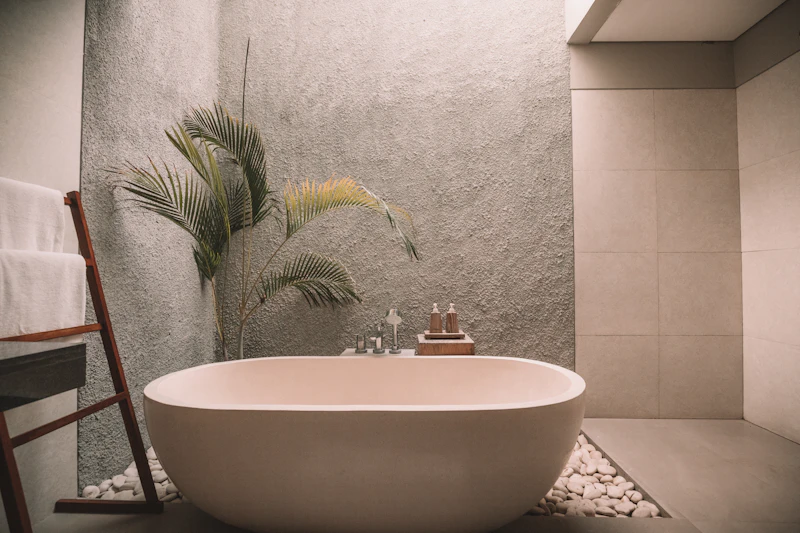
When you protect the whitespace between anchors, a thermal experience actually resets the nervous system instead of becoming another deadline on your phone screen.
A common planning error is treating museum tickets, dinner tables, mountain shuttles, and thermal spas as equally urgent reservations. Use these five horizontal booking priority bands:
Reserve the scarce experience that dictates the geography of the day:
Subordinate experiences that fit inside the already anchored day:
Environmental conditions that should shape, but not paralyze, daily execution:
The living texture of the trip that should never be pre-scripted:
Unlike other destination guides that maximize route speed or pack density, the purpose here is simple: to create a sustainable daily rhythm. Assemble your day through five essential blocks and let the engine verify whether your day has enough breathing room.
The base determines how much transport belongs in the day:
Choose one primary physical movement for the day:
Thermal reset or dedicated spa recovery:
One deliberate culinary anchor is enough:
Cannot be removed. The buffer that protects the trip:
You have established three strong anchors with 2 hours of unreserved buffer. Do not add another major excursion. Allow the thermal soak to be the true second half of your day.
Wellness does not survive every itinerary labelled "wellness." Notice what happens when you compare a day framed around rhythm against a day packed with back-to-back reservations:
Recognize the classic failure modes of Québec trip planning before you book tickets:
Breakfast booking → museum window → lunch booking → spa slot → destination dinner.
Montréal → Tremblant → Eastern Townships → Montréal in two days.
Montréal morning → Québec City afternoon → back tomorrow.
One boutique hotel base • Neighbourhood walking • Spa afternoon • Unrushed dinner • No countryside obligation.
Morning historic walking • Afternoon thermal soak • Thoughtful dinner • Completely open evening.
One rural property base • One main outdoor experience daily • Local food table • Deep nature stillness.
A successful Québec trip does not attempt to cover the entire province in a single itinerary. Each base represents a distinct ecosystem of sound, light, pace, and physical energy. Choose the base that mirrors the reset you need.
Neighbourhood morning walks, third-wave espresso, cultural browsing, afternoon riverfront or urban hydrotherapy, long destination bistro dinners.
Do not bring or rent a car. Walk, use the clean Métro system, Bixi bikes, and ride-shares. A car inside Montréal adds friction, parking stress, and winter snow-removal towing anxiety.
Floating thermal baths (Bota Bota on the St. Lawrence river), boutique hotel hydrotherapy, green ascents of Mount Royal, Mile End yoga studios, Atwater & Jean-Talon market grazing.
Only add countryside if you have 4+ nights and want a clean, deliberate handoff to the Laurentians or Eastern Townships.
European stone alleys, cold-air river walks on Dufferin Terrace, quiet morning fortress ramparts, cosy fireside bistros, deep Nordic spa contrast.
Not needed in the historic fortified core. Rent a car only on the morning you depart for Charlevoix or rural river routes.
Nordic spa circuits in the snow (Strøm Spa Vieux-Québec overlooking the ice floes), invigorating winter walks, candlelit heritage dining, architectural grounding.
Natural pairing with an agricultural afternoon on Île d’Orléans or an extended restorative stay along the St. Lawrence in Charlevoix.

“IF YOU GO TO TREMBLANT, LET IT BECOME THE BASE.” Do not treat this as an exhausting day trip from Montréal. Stay 2–4 nights to absorb the mountain tempo.
Recommended for reaching trailheads, lake access points, and secluded Nordic spas throughout the broader Laurentian valley.
Morning alpine or cross-country ski trails, snowshoeing old-growth hemlock stands, river-edge thermal soaking at Scandinave Spa Mont-Tremblant, wood stove fires.
Active travelers, winter snow enthusiasts, summer lake immersion, and deep physical fatigue followed by hydrothermal recovery.

“RURAL TRAVEL NEEDS FEWER STOPS.” Do not turn the countryside into an errand list of 8 villages in one afternoon. Unpack at one country inn and slow down.
Essential. Rural routes, farm gates, cheese producers, and quiet lakeside trails require personal transportation.
Agricultural terroir tastings (raw milk cheeses, cider, orchard honey), abbey visits (Saint-Benoît-du-Lac), silent mountain walking, Nordic spa retreats (e.g. BALNEA Spa at Bromont).
Couples, solo restorative readers, culinary provenance lovers, gentle cyclists, and visitors seeking unhurried country solace.
“CHARLEVOIX SHOULD NOT BE A CHECKBOX AFTER QUÉBEC CITY.” The sheer scale of where the Canadian Shield plunges into the saline St. Lawrence requires multiple nights of stillness.
Car recommended for high-elevation national parks (Grands-Jardins, Hautes-Gorges). In summer and autumn, the Train de Charlevoix offers a peaceful, scenic rail connection.
Dramatic cliffside hiking, whale-watching on saline waters, high-terroir farm dining in Baie-Saint-Paul and La Malbaie, deep sensory quiet and clean boreal air.
Nature immersion, dramatic geological wonder, slow culinary travel, and true mental decompression away from metropolitan corridors.
Visitors often assume every Québec trip must combine both major cities. Before booking VIA Rail tickets or highway rentals, consider their fundamentally different energies:
Do not split a weekend between two cities. You will spend half your available daylight packing, driving, and checking into hotels.
Spend 4 nights exploring Montréal’s neighbourhoods or pair Québec City with Charlevoix. Two cities here creates a rushed transit trip.
With 7 nights, you can spend 4 nights in Montréal and 3 nights in Québec City using VIA Rail comfortably between them.
Sufficient room for Montréal (3 nights), Québec City (2 nights), and a dedicated 4-night retreat in Charlevoix or the Townships.
Pair for contrast in sensory experience — not simply because two points look close on a roadmap:
The St. Lawrence River is the spine of Québec travel. Understanding its geography makes planning intuitive: Montréal sits upstream, Québec City sits at the narrowing, and Charlevoix sits where the river opens into a wide, dramatic estuary. Travel flows naturally along this water corridor; avoid cutting jagged zigzag routes back and forth across mountain divides.
Driving from Québec City to Baie-Saint-Paul takes ~75 minutes; continuing to La Malbaie takes ~1 hour more. While a day trip is geographically possible, it defeats the purpose of wellness travel. You spend 4 hours driving, leaving only time for a quick lunch and photo. Stay at least 2 nights so you can experience dusk and dawn on the river.
The pedestrian resort village offers convenience, vibrant ski culture, and direct lift access, but also higher noise and commercial density. If true quiet, deep sleep, and personal space are your wellness priorities, choose a lodge or lakeside chalet in the surrounding Laurentian towns (such as Mont-Tremblant Village, Lac Supérieur, or Saint-Jovite).
The Cantons-de-l'Est are dotted with charming villages: Magog, North Hatley, Sutton, Knowlton, Frelighsburg. The common tourist instinct is trying to photograph 6 villages in one afternoon. Choose one village, unpack, visit one farm or cidery per day, and spend 3 hours sitting with a book by the lake.
Hydrotherapy and gastronomic terroir are two defining pillars of travel in Québec. Yet both can easily be ruined by bad chronological placement.
Hydrothermal cycles (heat → cold plunge → deep rest) work on the parasympathetic nervous system. If you rush into a locker room at 14:00 and must be seated at a restaurant by 16:30 across town, the cortisol spike from parking and dressing undoes every physiological benefit of the cedar sauna.
Seamlessly integrated into city days. Floating barges or waterfront sanctuaries requiring no vehicle.
Riverbeds, frozen forests, outdoor fires, deep thermal cycles amidst snow, silence rules strictly enforced.
Immediate elevator access from your room. Zero winter coat logistics after soaking; ideal for deepest recovery.
Do not book two ambitious sit-down meals in a single day. Distinguish between three culinary formats:
The defining culinary event of the 48 hours. Requires an advance booking, dedicated appetite, and 2.5 hours of unhurried presence.
Frequency: Maximum 1 per day (often 1 every 2 days).Wine bars, bistro counters, rotisseries, wood-fired bagel shops. Zero booking stress, quick turnaround, honest regional sustenance.
Frequency: Ideal for mid-day or the evening following a thermal spa.Raw milk cheeses, sourdough, fresh apples, smoked fish from roadside farm stands or public markets (Jean-Talon, Atwater, Baie-Saint-Paul).
Frequency: Pack for trail picnics or room grazing.Wellness travel in Québec is inseparable from agricultural provenance: maritime salinity in Charlevoix lamb, maple syrup runs in old-growth sugar bushes, raw milk cheeses aged in convent cellars, and cold-climate cider orchards. Learn how to read menus through soil, season, and grower dignity rather than caloric restriction.
The single biggest planning mistake international visitors make is renting a car at Montréal-Trudeau (YUL) on day one. Follow this clean handoff blueprint:
Take express 747 bus or taxi to downtown hotel. Walk, take Métro, use Bixi. Avoid parking fees ($40+/night) and winter snow-clearing towing stress.
Pick up vehicle downtown on your final city morning. Drive directly north to Laurentians (Hwy 15) or east to Eastern Townships (Hwy 10).
If connecting the two cities directly, take the train (3h 15m) from Gare Centrale to Gare du Palais. Rest, read, and arrive in the historic center without highway fatigue.
Pick up a rental at Gare du Palais in Québec City to explore Route 138 into Baie-Saint-Paul, or take the seasonal Train de Charlevoix.

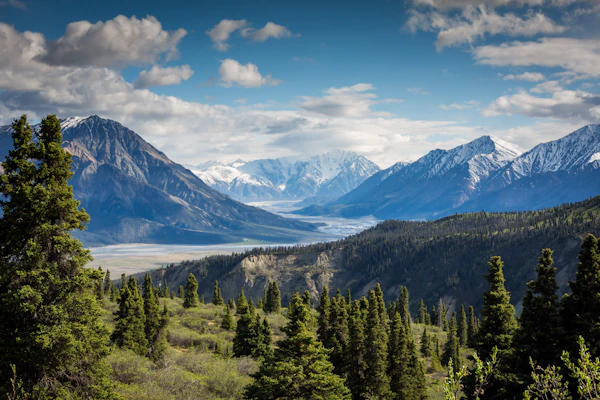
Québec operates under four distinct environmental systems. Respecting road rules and seasonal physics ensures calm travel:
The quintessential Québec season. Cold air clarifies the mind; hydrotherapy heats the body.
Sap runs, quiet woods, transitional mud season. Trails may have spring thaw restrictions. Pack layered waterproof boots. Cities are awakening with open café terraces on the first sunny 15°C afternoon.
Festivals in Montréal, swimming in Laurentian lakes, cycling the Route Verte, outdoor dining along the St. Lawrence. Book popular thermal slots and accommodations well ahead of peak July construction holiday.
Crisp air, sugar maple foliage in the hills, cider harvests, deep sleep with open windows. Foliage peaks vary by latitude and elevation; do not rely on guaranteed peak calendars.
Complete, field-tested itineraries built with structural buffers and realistic travel geometry:
Québec is a proud, distinct French-speaking society. While service staff in Montréal and Québec City hotels switch gracefully to English, leading with simple French courtesy opens warmth, respect, and hospitality.
Québec encompasses the ancestral lands of 11 distinct First Nations and Inuit peoples (including the Huron-Wendat, Innu, Cree, Kanienʼkehá:ka, and Abenaki). Authentic Indigenous wellness is rooted in kinship with land, seasonal knowledge, and community self-determination:
Dedicate at least one evening of your journey to completely unscripted freedom. No dinner reservation. No curtain call. No alarm for tomorrow morning. Step outside your hotel, smell the woodsmoke or river mist, follow your senses to a corner bistro, or simply eat room service cheese and sleep nine hours.
Connect your itinerary directly into Nails Blaze’s curated wellness directories:
Nordic baths, eucalyptus steam, riverfront bathhouses.
DIRECTORYSilent countryside lodges and multi-day restorative programs.
DIRECTORYNational parks (SÉPAQ), coastal cliffs, and quiet waters.
DIRECTORYCross-country ski loops, mountain snowshoeing, and Route Verte cycling.
DIRECTORYNeighbourhood city studios and forest deck practices.
DIRECTORYFarm-to-table dining, raw milk cheese producers, and cideries.
Before you close your booking tabs, verify that you have locked the essentials and deliberately left the rest open:
Expert answers to common planning questions for restorative travel in Québec:
You do not need to be fluent. Hospitality staff in Montréal, Québec City, and major resort spas speak excellent English. However, beginning interactions with polite French phrases ("Bonjour", "Merci", "S’il vous plaît") signals respect and is universally appreciated. Road signs and government warnings are in French, so knowing words like "Sortie" (Exit) and "Fermé" (Closed) is helpful.
Absolutely. You can easily spend 4 to 7 days combining Montréal and Québec City without touching a steering wheel. Use the airport express bus into Montréal, walk and use the Métro, take VIA Rail between the two cities, and visit urban spas like Bota Bota or Strøm Vieux-Québec by foot. Only rent a car when venturing into rural Charlevoix or the Laurentian backroads.
Under Québec provincial highway safety code, all motorized road vehicles registered in Québec must be equipped with four winter tires bearing the 3-peak mountain snowflake symbol between December 1 and March 15. If you rent a car inside Québec during this window, winter tires are legally pre-installed. If driving a personal car registered outside Québec, winter tires are not legally required by law, but driving without them on winter mountain passes is dangerous and strongly ill-advised.
No. For a 2-to-3 night trip, choose ONE city. Attempting both in a weekend forces you to spend 6–7 hours packing, in transit, and waiting for hotel check-ins, destroying the relaxation you came for.
For peak winter weekends (especially January through March) and holiday periods, reserve your thermal access 3 to 6 weeks in advance. If you also want a massage treatment, book 6 to 8 weeks ahead. On mid-week days in spring or autumn, booking 3 to 7 days ahead is usually sufficient.
Almost all Québec Nordic spas follow a strict silence or whisper policy. Bathrobes and flip-flops/sandals are standard attire. Follow the thermal cycle: 10–15 minutes of heat (sauna or steam), a brief cold immersion (plunge or cold bucket), followed by at least 15–20 minutes of relaxation (by a fireplace, in a zero-gravity chair, or wrapped in a blanket). Stay hydrated with fresh water.
While physically possible (approx. 75 minutes to Baie-Saint-Paul), doing it as a day trip turns a deep, contemplative mountain-and-river destination into an exhausting driving errand. Stay at least 2 nights to experience early morning mist on the estuary and quiet dining.
Every season has a unique wellness rhythm. Winter (January–March) offers the most dramatic hydrothermal contrast and peaceful snowscapes. Autumn (September–October) offers crisp hiking weather, stunning deciduous colours, and harvest dining. Summer (June–August) brings vibrant terrace living and lake swimming.
Dining in Québec embraces European pacing. A seated dinner is treated as an evening activity, not a transactional 45-minute refueling stop. Servers will not rush you with the bill unless you are booked in a designated early seating with a specified table turnover time.
High-quality base layers (merino wool or thermal synthetics), waterproof insulated winter boots with good traction, a windproof down parka, wool toque (beanie), thermal mitts, and two swimsuits (so one dries while you use the other at the spa). Most spas provide robes and towels.
Always consult Québec 511 (quebec511.info or mobile app) before setting out on highways between regions. It provides real-time webcam feeds, road condition statuses (bare, snow-covered, icy), and visibility alerts. If driving conditions are severe, delay your departure.
The pedestrian resort village sits directly at the base of the ski mountain and is dense, colorful, and lively with shops and après-ski energy. The surrounding Laurentian region (including Saint-Jovite, Mont-Tremblant Village by the lake, and Lac Supérieur) is much quieter, wooded, and suited for peaceful retreat living.
A truly restorative trip in Québec is not measured by the number of attraction badges collected, but by the stillness found in warm cedar steam, the quiet of an unhurried morning walk, and the deep satisfaction of an evening with nothing booked.