
What happens when the landscape gets quieter—and so do you?
A silent retreat sounds simple.
Stop talking. Put the phone away. Spend time alone.
But silence changes the shape of a weekend more than most people expect. Without conversation filling the spaces between meals, walks and rest, attention begins to move elsewhere: toward weather, footsteps, breathing, the rhythm of a shared room, a ridge disappearing into cloud.
In the Canadian Rockies, the scale of the landscape can make that shift feel even more pronounced. This guide isn't an argument that silence is inherently therapeutic, nor that everyone will enjoy it. It is an introduction to what a contemplative retreat may actually ask of you.
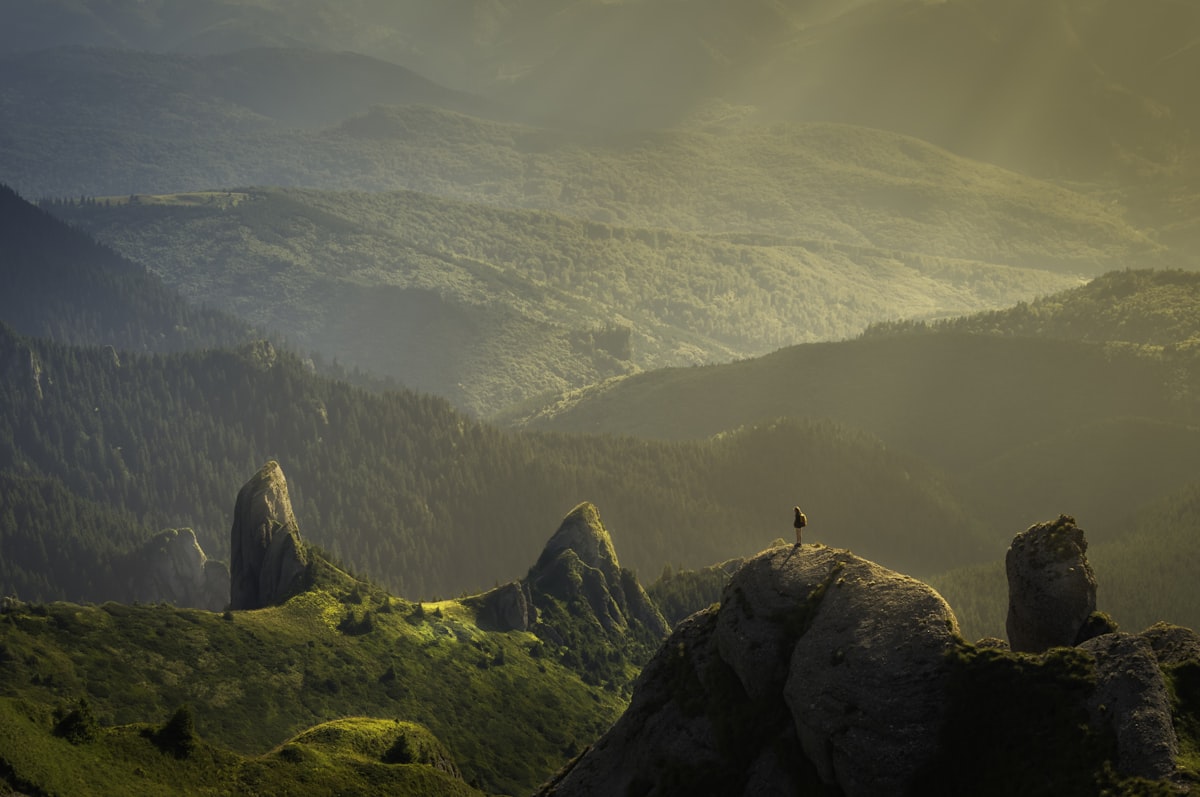
On retreat, silence is usually structured. Depending on the program, that may mean no casual conversation, limited phone use, quiet meals, scheduled meditation, independent walking, journalling or periods of rest.
Some retreats use silence for only part of the day. Others maintain it for most of the stay.
The important question isn't: “Can I stay quiet for a weekend?” It is: “What kind of silence is this retreat actually offering?”
Before booking, look for clear information about expectations, communal spaces, phones, meals, guided practices and whether individual conversation with facilitators remains available.
Without usual distractions, boredom or restlessness can arise. That isn't a failure; it is simply what appears when noise recedes.
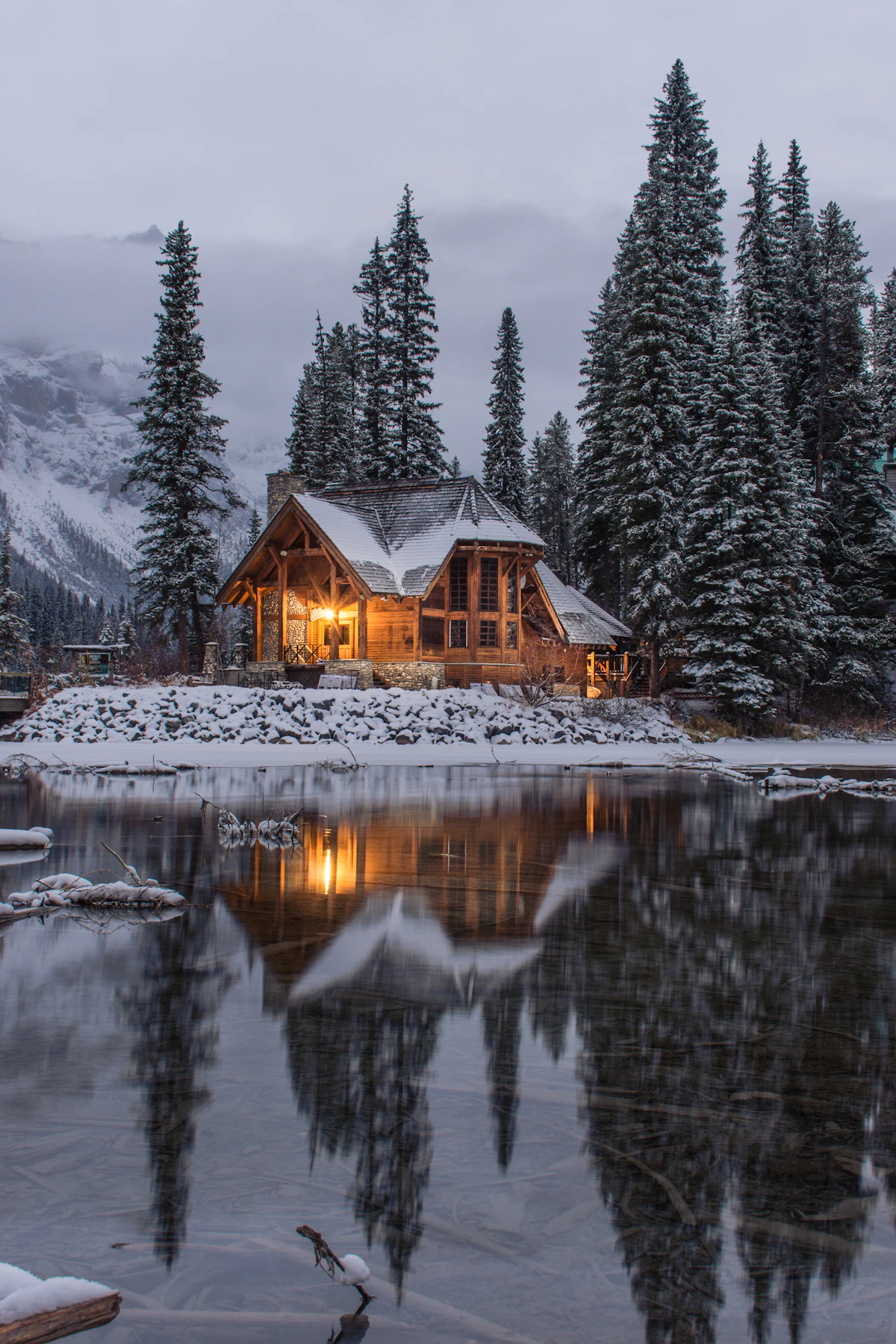
Five expandable questions that matter far more than whether the retreat photograph looks peaceful on social media:
Is conversation paused only during meals and formal sits, or is noble silence maintained for 48 contiguous hours? Knowing whether you can speak to check in with the host prevents discomfort.
Some programs dictate every hour from 5:30 AM chimes to 9:00 PM lights-out. Others offer open hours with optional meditation. Choose the level of discipline that matches your temperament.
Will you have a private room and bath, or will you share a rustic dormitory with others in silence? Sharing a silent room requires high social consideration.
Does the retreat involve extensive seated meditation on cushions, or does it include guided walking meditation, gentle yoga, and time on mountain trails?
Are experienced teachers available for one-on-one private check-ins if unexpected emotional difficulty or anxiety surfaces? Quality retreats always provide a safety valve.
Mountains can shape the experience, but they don't automatically make a retreat meaningful. Weather may obscure the view. Trails may close. Wildlife restrictions in Banff, Kananaskis or Jasper may affect movement.
Your weekend may involve more time indoors looking at woodgrain than the marketing photographs suggest. Choose a retreat because its program and approach suit you, with the landscape as an important part of the setting rather than a guarantee of transformation.

Maybe the point isn't to become a person who loves silence.
Maybe it is simply to discover how much noise you normally carry with you.